A beautiful garden isn’t just about what you plant. It’s about how the whole space feels when you step outside. In a way, you can think about gardens the same way you think about rooms. You want structure, a focal point, good circulation, and a mix of textures to make it look intentional.
If you’re looking for garden inspiration to spruce up your yard, here are a few practical ways to make it both productive and genuinely pretty.
- Start with the layout. Before you buy plants, take ten minutes to sketch the shape of your yard or garden bed. Then, decide what you want from the garden. Is it for relaxing, growing vegetables, attracting pollinators, or all three? Once you know your goal, you can plan simple zones: a backbone, your seasonal color, and edibles (the vegetables and herbs you’ll harvest). If you’re working with a larger yard, don’t forget about pathways. Even a narrow mulch or stepping-stone path makes the garden feel designed and prevents the “trampled edge” look that happens when people cut through beds.
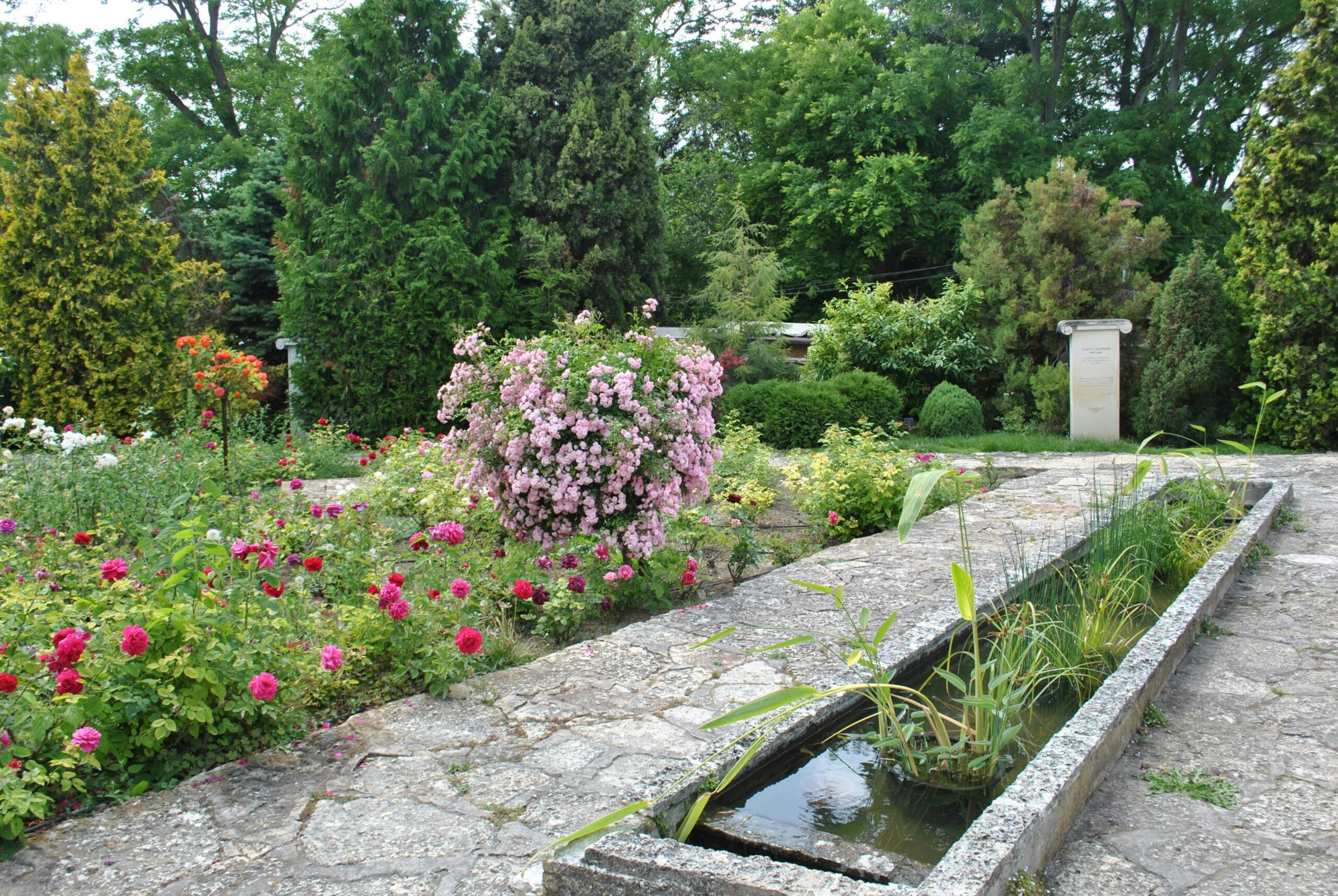
- Use the “tall-middle-low” rule. One of the easiest ways to make a garden look layered and professional is to stagger heights, says an interior designer in Nixa, MO. Tall plants should be at the back. This includes ornamental grasses, trellised vines, sunflowers, and climbing roses. Then place medium plants, such as hydrangeas and lavender, in the middle. Complete the garden with low plants, like creeping thyme and hostas, at the front. Organizing your garden this way creates natural depth, just as good furniture placement in a living room does.
- Pick a tight color palette. If you love everything, it’s easy to end up with a garden that feels chaotic. Instead, choose a palette and repeat it. Try white and green or purple and blue, then repeat that palette in a few places to make the yard feel cohesive.
- Mix flowers with herbs and vegetables for a garden that’s chic and useful. Edibles can be just as beautiful as ornamentals, especially when you’re planting rosemary, basil, and kale. Tuck herbs along the edge of a flower bed or plant lettuce between taller blooms for a look that reads as abundant and intentional. You’ll be happy to take the garden into the kitchen once everything is ready for picking.
- Add one focal point to give the garden a story. In interiors, every room needs a focal point. Gardens do, too, whether that’s a trellis at the end of a path, a bird bath, or a statement planter. This gives the eye somewhere to land, which instantly makes the space feel designed.
- Decor belongs near the garden — just keep it edited. A few well-chosen elements can make a garden feel finished. Opt for planters in a consistent finish or a border to help keep things tight and cohesive. The goal isn’t to “decorate” the garden so much as to support it with clean edges, warm light, and a place to pause.
- Finish with the secret ingredient. Texture is what keeps a garden interesting even when it’s not in peak bloom. When you balance structure, repetition, and a few intentional details, your garden stops feeling like a collection of plants and starts feeling like an outdoor room you’ll actually want to spend time in.
This spring, don’t plant without a purpose! Use these tips to create a garden that feels both welcoming and uniquely yours.