Living in a small home or a city apartment doesn’t have to feel cramped. From a professional perspective, most “small-space problems” come down to three things: lighting, layout, and clutter. The best part? You don’t need to renovate or knock down walls to make a noticeable difference.
A few thoughtful changes can completely shift how a room feels. Here are a few design tricks you can come back to over and over because they make even the smallest spaces feel brighter, more open, and, most importantly, easier to live in.
1. Stick to a Light, Cohesive Color Palette
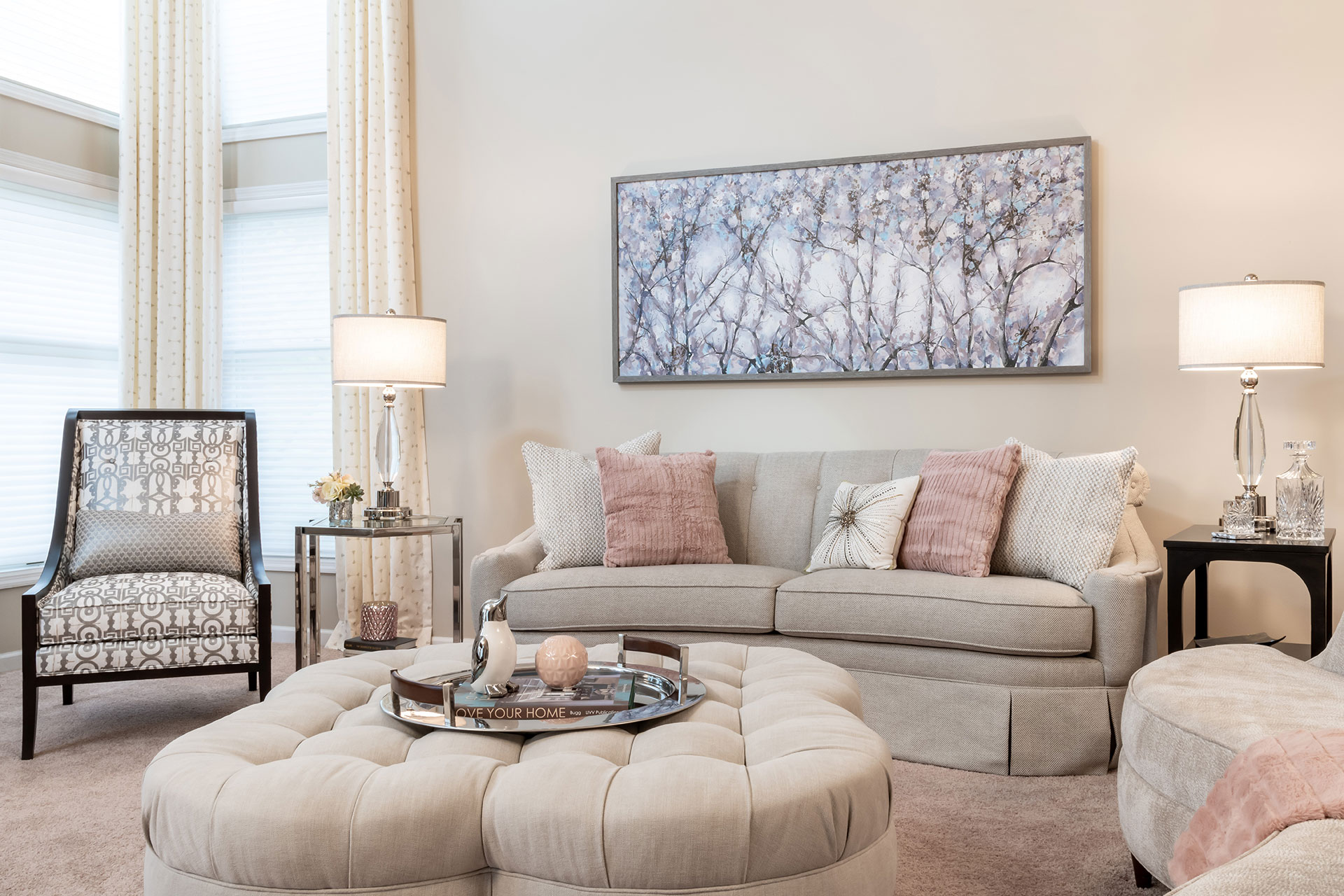
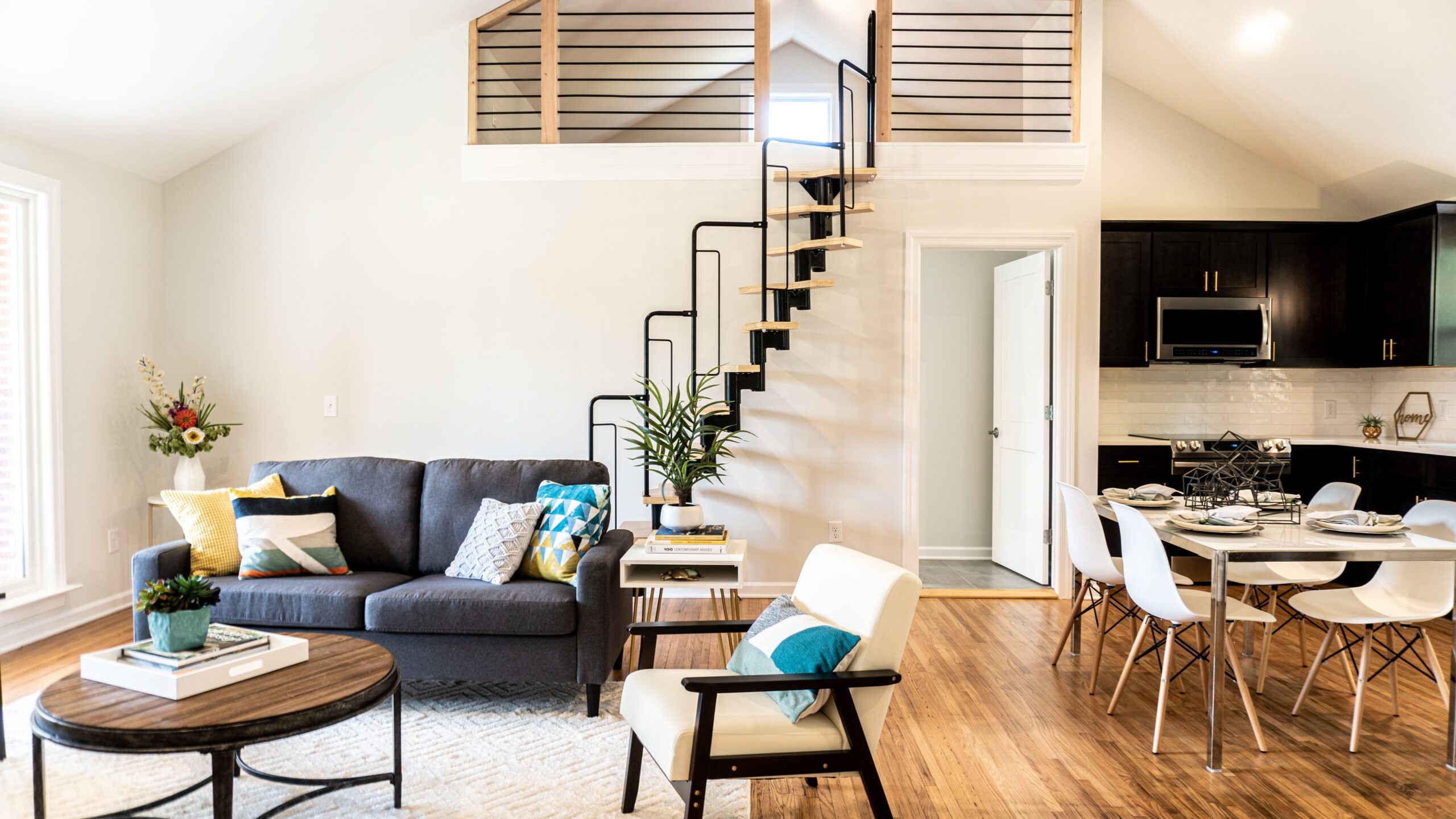
Light colors naturally make a room feel more open because they reflect more natural light and create a smoother visual flow. Think warm whites, soft greige, light taupe, or a gentle gray. If your living room flows into your kitchen or dining area, keeping those spaces in a similar color family also helps everything feel larger.
2. Hang Curtains Higher Than You Think
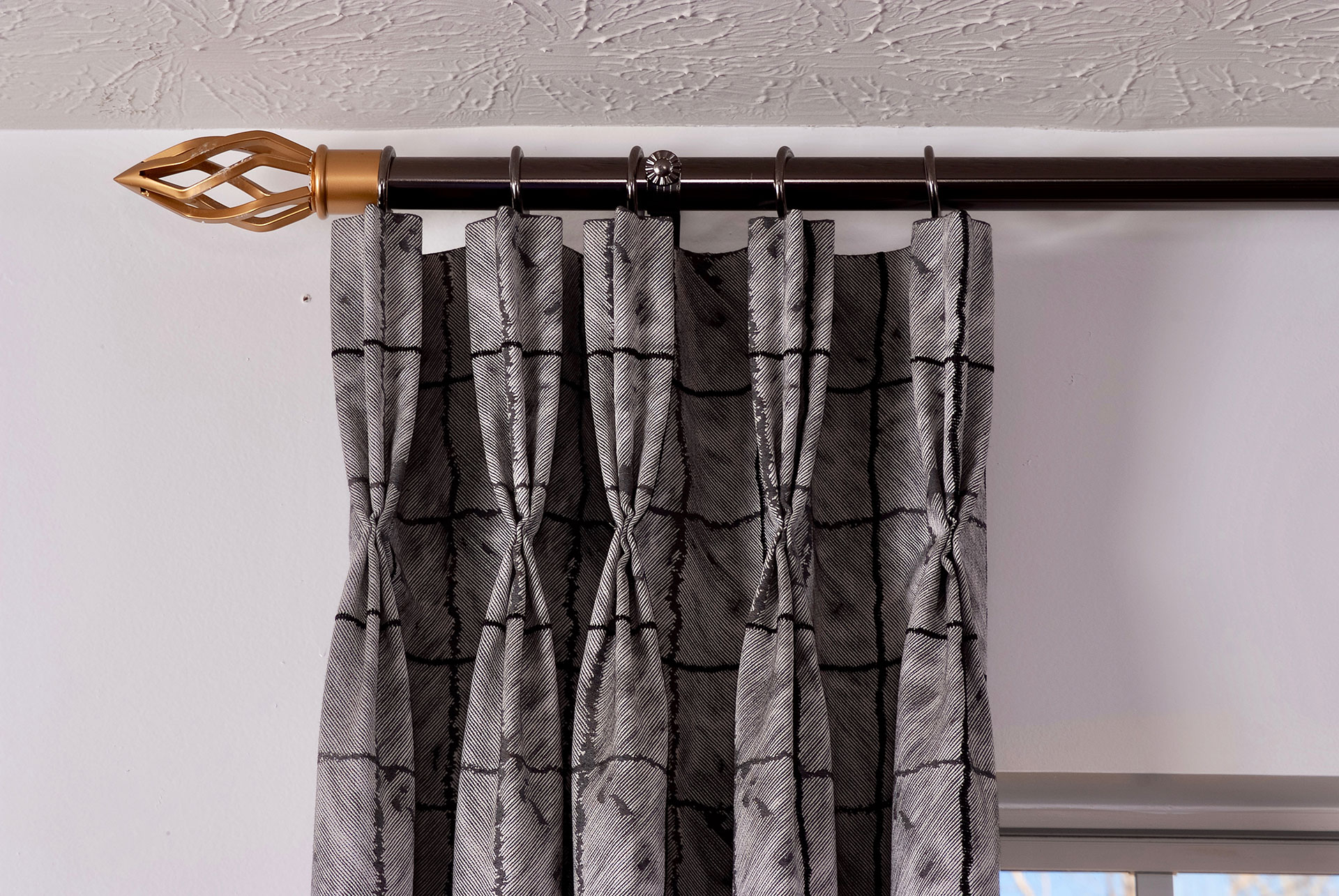
Instead of hanging your curtain rod right above the window frame, mount it closer to the ceiling, says an interior designer in Naples, FL. Then extend the rod several inches beyond each side of the window so the curtains sit mostly off the glass when they’re open. Suddenly, your windows look taller and wider, and the whole room feels more expansive.
3. Choose Furniture That Lets the Room Breathe
Bulky furniture can make a small room feel even tighter. When you can see your sofa’s legs, it creates a sense of openness because you can also see more of the floor beneath it. The same goes for coffee tables. Glass, acrylic, or open-frame designs take up less visual space than chunky wood tables, even if they’re the exact same size.
4. Don’t Push Every Piece Against the Wall
It feels like the obvious thing to do, but lining every piece of furniture around the edges can actually make a room feel more confined. When you pull your furniture, especially a sofa, a few inches away from the wall, it can help the layout feel more intentional. If you have an open floor plan, use a rug or a slim console table to define different areas instead of relying on furniture placement alone.
5. Use Mirrors With Intention
Mirrors are great for making a room feel larger—but only if they’re reflecting something worth looking at. Place one across from a window to bounce natural light around the room, or position it where it reflects artwork or another attractive focal point. In a narrow hallway, one oversized mirror usually has a much bigger impact than several small ones.
6. Don’t Go Too Small With Your Rug
This is one of the easiest decorating mistakes to make. A rug that’s too small can make your furniture feel disconnected and visually shrink the room. Instead, choose a rug that’s large enough for at least the front legs of your sofa and chairs to sit on. In a bedroom, a rug that extends beyond both sides of the bed instantly makes the space feel more finished. And honestly, it’s much nicer under your feet first thing in the morning.
7. Keep Clutter Out of Sight
No matter how beautifully decorated a room is, if every surface is covered with stuff, it’s going to feel smaller. Closed storage is your friend. Think storage ottomans, media consoles with doors, baskets, and beds with built-in drawers. They keep everyday items nearby without constantly being on display. When decorating shelves or tabletops, less usually looks better. Group a few favorite pieces together instead of scattering small objects everywhere, and try repeating the same wood tones or metal finishes throughout the room. That consistency makes everything feel calmer and more pulled together.
Making a small home feel bigger isn’t about buying miniature furniture or stripping away everything you love. It’s really about creating better flow, maximizing light, and being a little more intentional with what stays in the room.